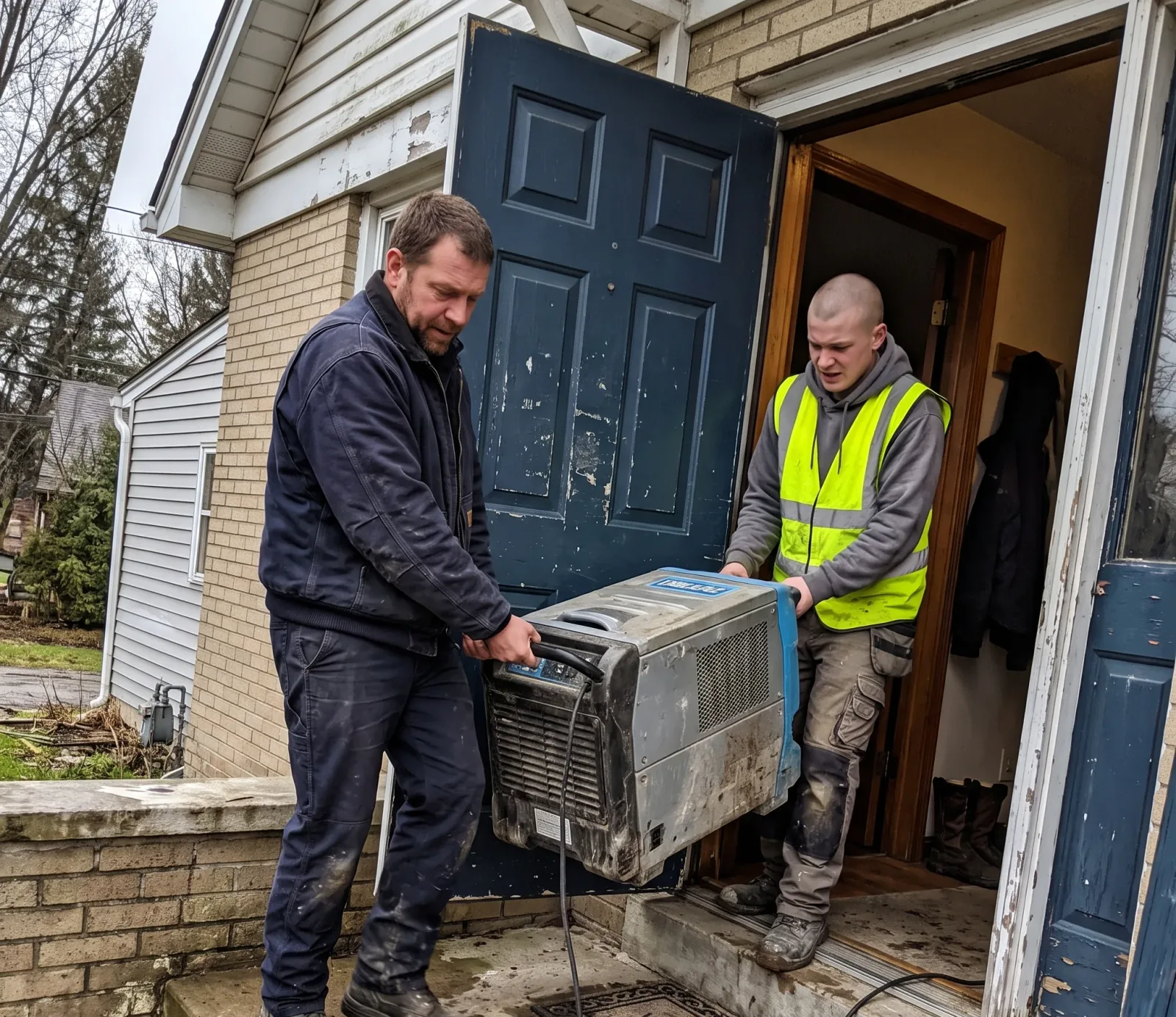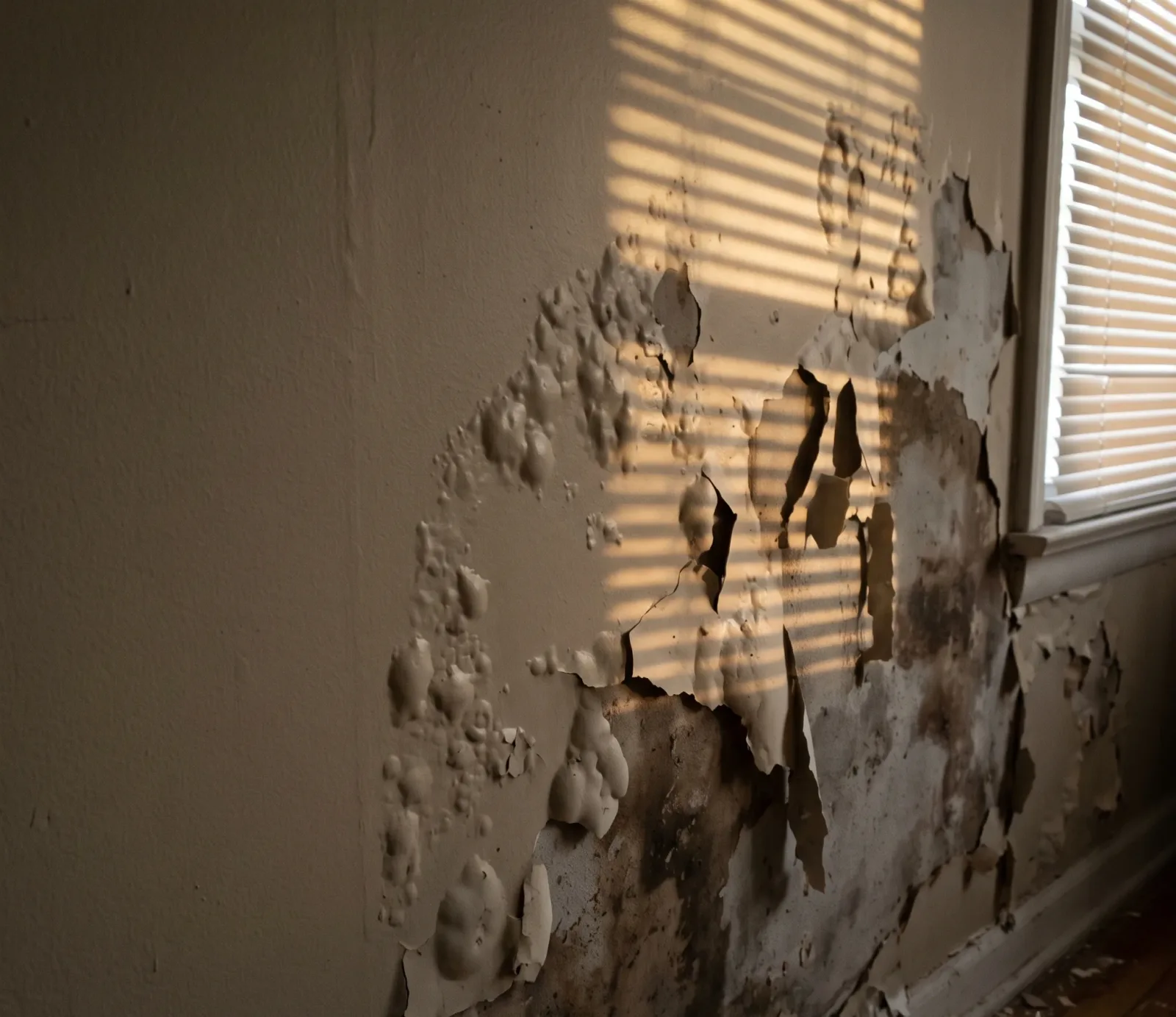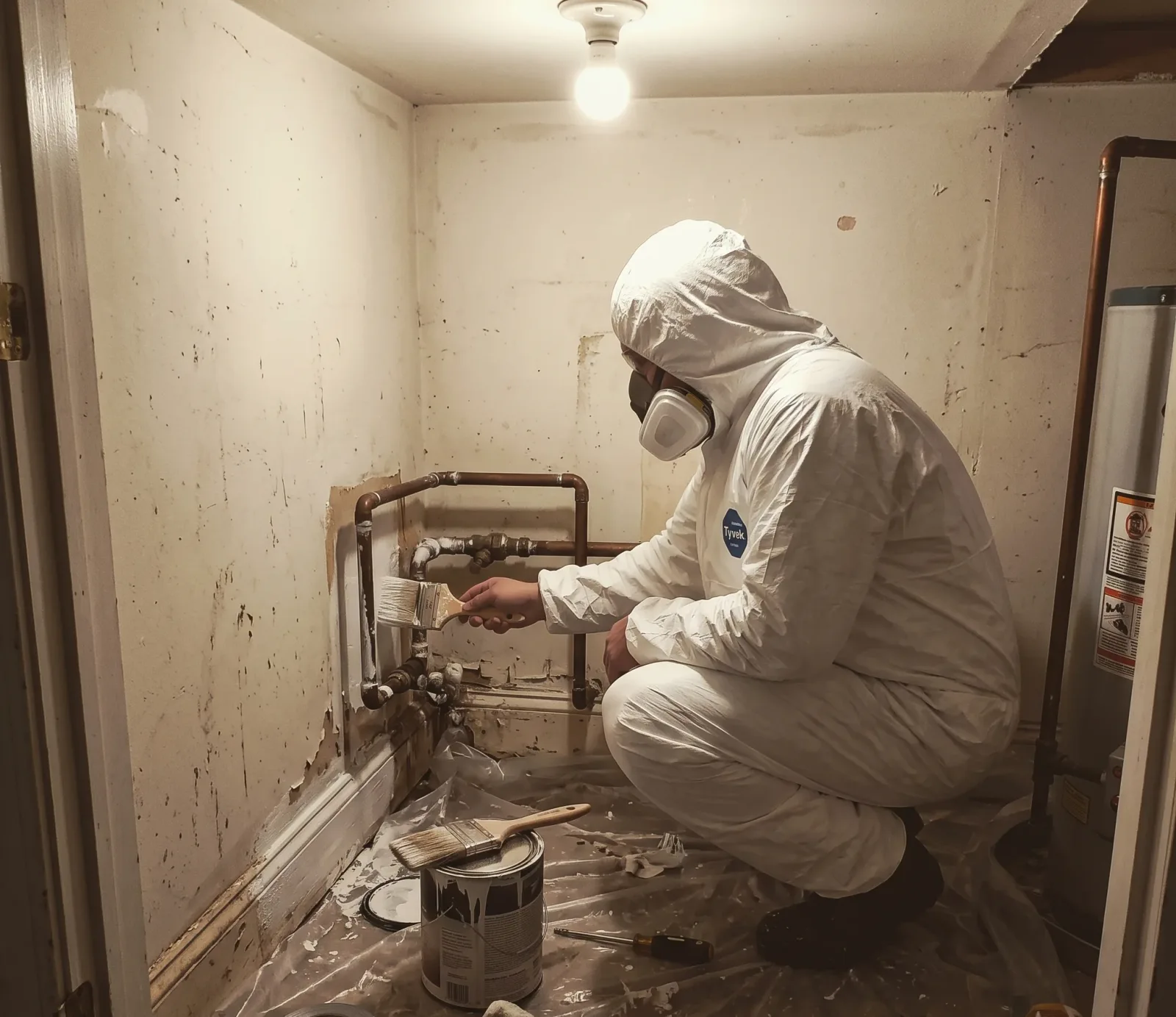
A 40-gallon tank in an Austin utility closet doesn't leak politely. Once the shell splits, the full tank empties fast, and a broken supply line above it keeps feeding the flood at whatever your line pressure allows. Renters near West Campus and homeowners out in Circle C Ranch face the same first minute: water is winning, and every second before you act adds to the cleanup.
Kill The Water At The Tank
Every water heater has its own valve where it connects to the house plumbing, usually a lever or wheel within reach above the unit. Turn it until it stops moving. That single motion cuts off the largest source feeding the flood. If it won't budge, or if you're not sure which line it's on, move straight to the main shutoff instead of fighting a rusted handle.
Then Find The Main Shutoff
If the valve at the tank will not turn, the next stop is the main shutoff for the whole property. On a slab-built Austin house there is nothing below floor level to check, so it is either a valve on an exterior wall where the supply enters or the city meter box out near the curb. That box needs a meter key, and the moment to find out where it sits is not while water is crossing a floor.
Cut Power Before You Wade In
Flip the circuit breaker for the unit if it runs on electricity, and do it from a dry spot, not by reaching over standing water. A submerged heating element stays live unless the breaker is off, and that turns a flooring problem into a shock hazard. Gas units need the same caution around the pilot light area; don't relight anything until the unit has been checked.
Rule Out A Relief Valve Issue
Not every mess is a burst tank. Sometimes the pressure relief valve is doing its job, venting built-up pressure through a discharge pipe that usually runs toward the floor. A valve that's dripping is different from a tank that's split open at the seam. Either way, Austin's hard water can accelerate wear on these parts over the years, so don't assume the valve is new.
Get The Water Off The Floor
With the water and power both handled, turn to what's already on the ground. A shop vac built for liquids clears more in less time than a stack of towels, though towels still help around baseboards and corners a vacuum can't reach. Every extra hour that water sits against flooring in a Cherrywood bungalow or a Mueller townhome adds to what eventually has to be replaced.
Slab Floors Buy You Some Time
Most homes across Austin sit on a concrete slab, and tile or sealed concrete over that slab tolerates a short soak reasonably well. Wood, laminate, and engineered flooring don't get that grace period; they start swelling and separating within hours. If your utility closet backs onto a wood floor in a Hyde Park or Travis Heights home, treat that room as the priority, not an afterthought.
Mind Outlets Near The Water
Stay out of standing water anywhere near an electrical outlet, a power strip, or a cord running across the floor. Low outlets are common in older utility rooms, and water reaching one is a real risk even after you've cut the breaker for the heater itself, since other circuits in that closet may still be live. When in doubt, stay dry and wait for someone who can check it safely.
Document What You're Standing In
Before you move anything, take photos of the unit, the valve you closed, the supply line, and however far the water traveled. Note roughly when you noticed it and how long it likely ran. This record matters later for insurance and for whoever inspects the unit, and it's much harder to reconstruct once towels, buckets, and a wet vac have already rearranged the scene.
Airflow Matters More Here Than Elsewhere
Once the floor is clear, open windows if it's not raining and point fans across the wet area rather than at one spot. Central Texas humidity slows natural drying compared to drier climates, so moving air does real work here. A closet in North Loop or Crestview with poor ventilation will hold moisture in the walls long after the visible puddle is gone.
When A Few Towels Aren't Enough
A leak caught in the first few minutes, with the water off and the floor dry within the hour, is often something a homeowner handles alone. Water that reached a second room, soaked into a wall base, or sat for several hours before anyone noticed is a different situation. At that point the concern shifts from visible puddles to what's now wet inside the structure.
Deciding If You Need Help Now
If the tank ruptured outright, if water reached flooring in more than one room, or if you're unsure whether moisture got behind a wall, that's past the point of a mop and a fan. Renters anywhere from Rosedale to Dove Springs should also loop in a landlord immediately, since who's responsible for repairs generally isn't the person holding the towel.
Dealing with this in your home?
Austin's clay soil expands after rain and pulls back tight in a hard freeze, so a post-tension slab near Zilker can crack years after the pour. Add Hill Country storms that dump inches in an hour, and Shoal Creek pushes water toward homes that never flooded before.