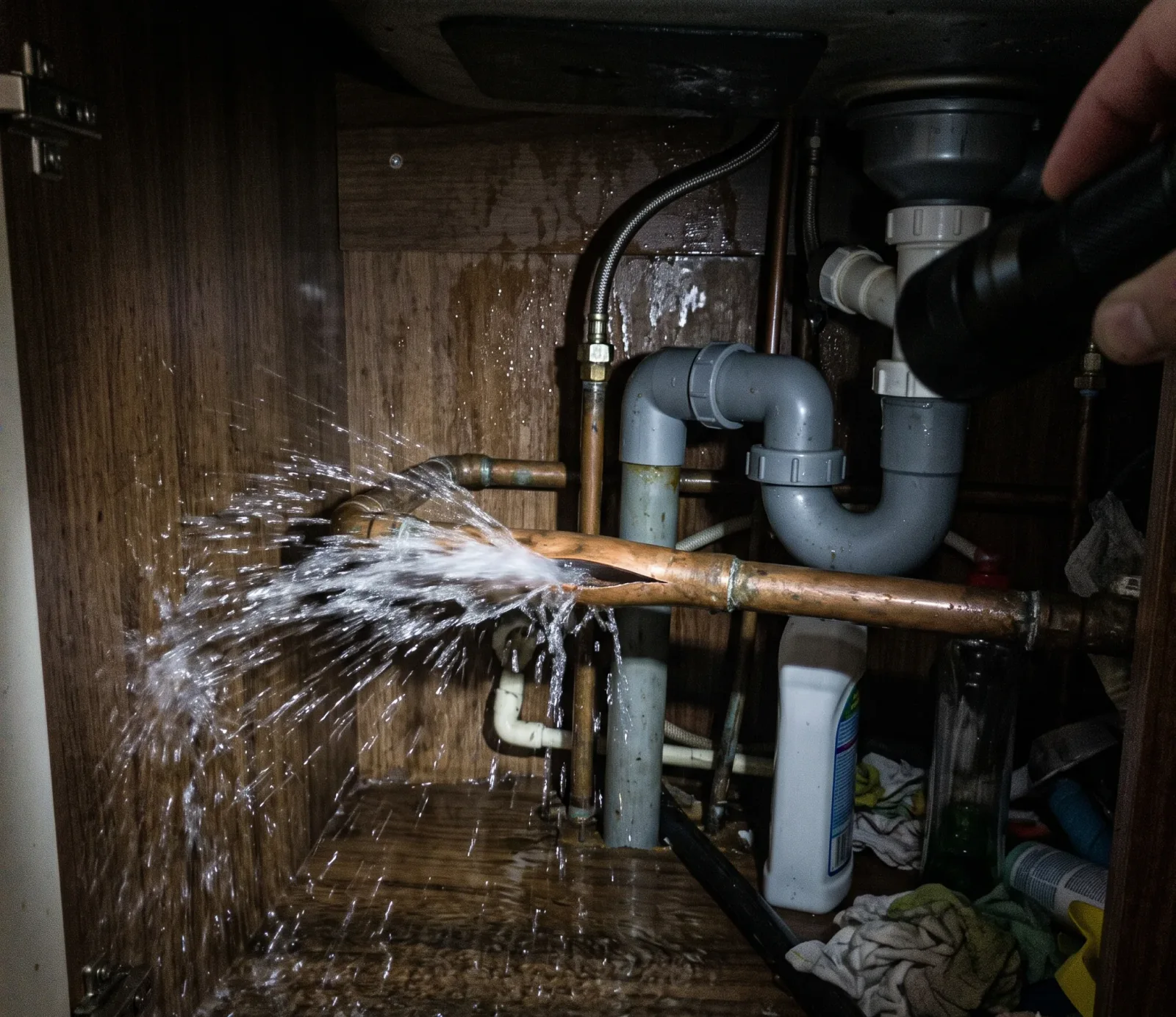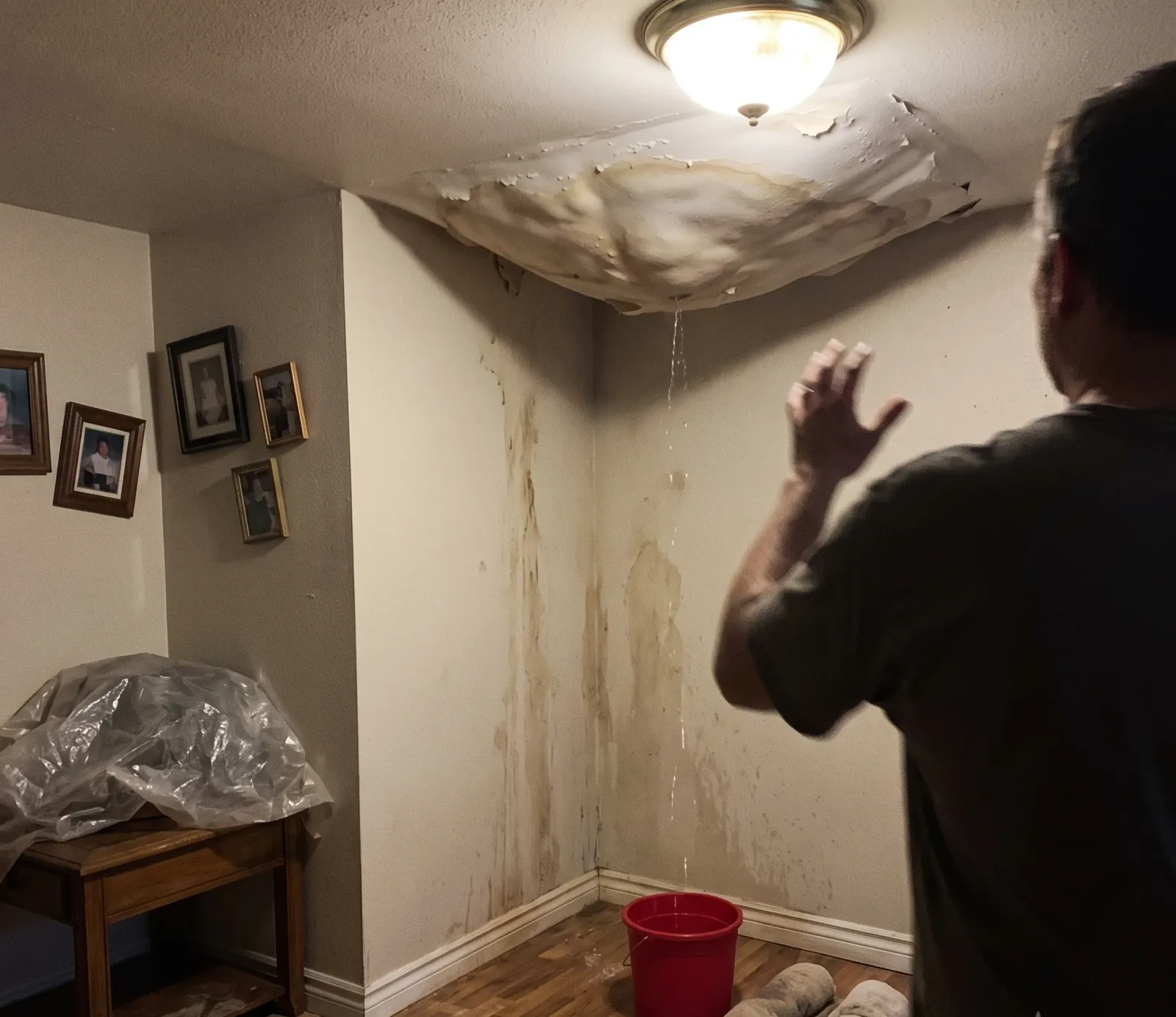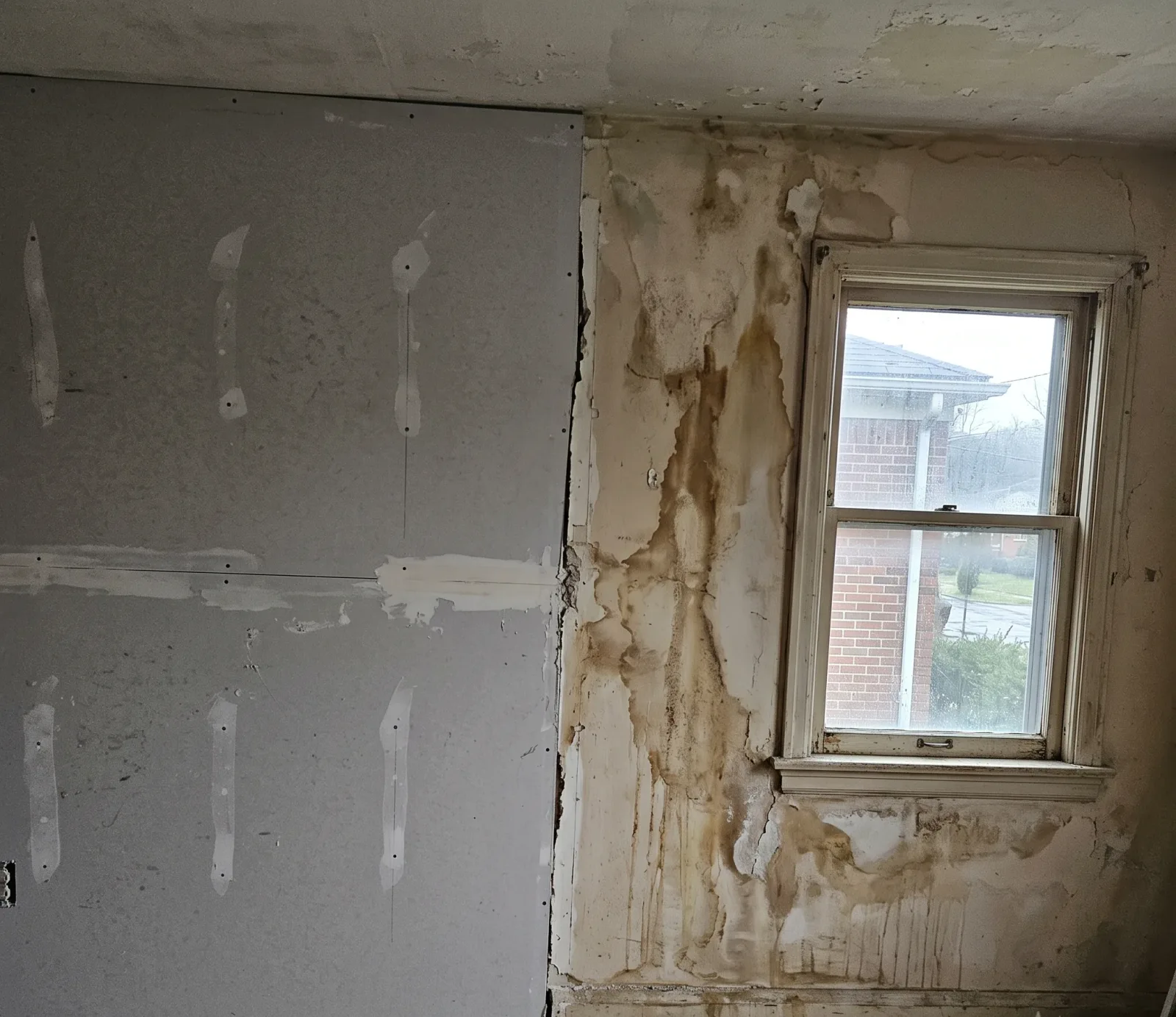
Step into an Austin house closed up for a week in July and the musty odor hits before the lights do. That smell is not random. It is the house reporting on moisture it has been holding, and the source can be as ordinary as trapped summer air or as serious as a slow leak behind drywall nobody has looked at yet.
What That Musty Note Means
That smell has a name in the restoration trade: it is the byproduct of organic growth feeding on damp material, not a substance you can wipe off a shelf. Wood, drywall paper, and carpet backing all host it once they stay wet long enough. A mildew smell clinging to a rug or a closet wall is that same process, just early and localized.
Central Texas Humidity In Summer
Austin's summer air carries enough relative humidity that a room with no airflow can smell musty without any leak behind it. A West Campus rental with windows shut all day, or a Tarrytown sunroom that traps heat, will hold that damp, closed-in smell simply because the air inside never gets a chance to exchange with drier air outside.
Ordinary Damp Versus A Real Problem
Some musty air is nothing to chase down. A guest bathroom that smells slightly stuffy after a humid week, or a hall closet in a Hyde Park bungalow that picks up a faint earthy note, usually clears once the space gets opened up. The concern starts when that smell keeps coming back no matter how much you air the room out.
Reading The Warning Signs
A few clues separate a passing smell from a real moisture source. If the odor is sharper by a baseboard in one Cherrywood living room corner instead of even across the house, something local is feeding it. A damp carpet that stays cool and heavy to the touch days after any rain points the same direction.
Where This Smell Usually Starts
Bathrooms, laundry closets, and any room near plumbing tend to be where a musty odor first shows up in an Austin home. A slab foundation hides supply lines and drains under the floor, so a slow seep there can sit unnoticed for a long stretch, feeding a smell long before a stain ever reaches the surface.
Airflow Decides How Long It Lingers
Poor ventilation turns a damp spot into a lingering smell far faster than the moisture alone would. An East Austin laundry room with no vent fan, or a Windsor Park closet backed against an exterior wall, holds still air that never dries out fully between uses. Better air circulation alone can resolve a smell that has no active leak feeding it.
What A Dehumidifier Can Fix
Running a dehumidifier is a fair first move when a musty smell seems tied to general household humidity rather than a specific source. It works well in a Crestview laundry area or a Mueller unit with limited cross-ventilation. If the smell fades within a day or two of steady use, ordinary Austin humidity was likely the whole story.
When Cooling Systems Play A Part
Not every musty smell in an Austin home means hidden mold. Central Texas humidity climbs for months, and a closed-up house near Zilker or Hyde Park can trap that dampness in carpet, closets, and cabinets long before growth starts. The smell turns worrying when it lingers after you run the HVAC system, or when it tracks to one damp carpet, one wall, or one closet instead of the whole house — that pattern usually points to a hidden moisture source, not just seasonal air.
Odors That Outlast Good Airing
If the smell holds steady after a day of open windows, a running dehumidifier, and decent air movement through the house, that is a different situation than plain humidity. A South Austin duplex with that pattern likely has water reaching a spot it should not, and drying the air in the room will not touch it.
Signs Worth A Closer Look
A smell that returns days after cleaning, discoloration spreading across a section of drywall, or flooring near Barton Springs Road that stays soft underfoot are signs the source is active rather than seasonal. Those details matter because they tell you whether you are dealing with air quality or with water actively moving through a wall or subfloor.
Deciding What To Do Next
A musty odor in an Austin home almost always traces back to moisture, whether it is a passing summer humidity swing or a source that has been quietly active for weeks near Lady Bird Lake or further out toward Manor. Figuring out which one you are dealing with changes whether you need an open window or someone looking behind the wall.
Dealing with this in your home?
Austin's clay soil expands after rain and pulls back tight in a hard freeze, so a post-tension slab near Zilker can crack years after the pour. Add Hill Country storms that dump inches in an hour, and Shoal Creek pushes water toward homes that never flooded before.