Medical & Healthcare Facilities
Clinics And Medical Offices
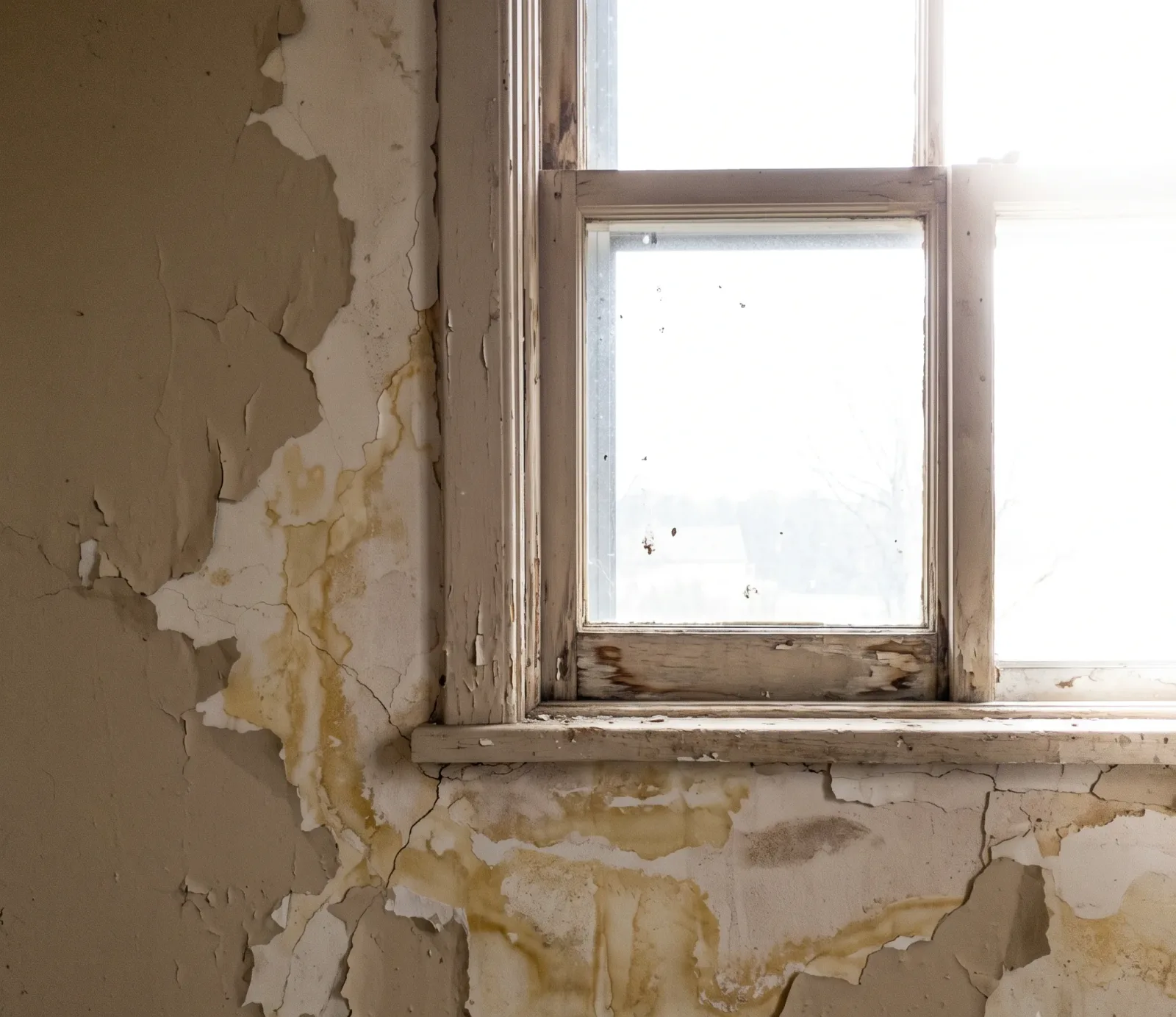
Master policy, unit owner claims, and board approval, sorted from day one.
In an Austin condo, the association's master policy usually pays for common elements and the building envelope. Your unit owner policy covers interior finishes, contents, and any upgrades you added. Drying starts immediately since both claims get sorted out afterward, not before work begins.
A water loss in an Austin condo rarely stays inside one unit. A slab leak or a failed supply line behind a shared wall can travel through common framing before anyone downstairs notices a stain. By the time it shows on a ceiling in a unit below, the water has usually already reached wiring, insulation, and a neighbor's drywall.
Condo and HOA boards across Austin, from downtown high-rises near Congress Avenue to smaller associations in Arboretum, run into the same coverage question fast. The master policy generally covers the building envelope and common elements, while the unit owner policy is meant to cover interior finishes and betterments and improvements. Where one ends and the other begins is rarely obvious on the day water shows up.
None of that changes what happens first. Water spreads through drywall and flooring in an Austin condo the same hour it starts, master policy or not. The response the licensed pros we connect you with provide starts with extraction and drying, then sorts out who authorized what afterward, because the building can't wait on a coverage answer.
In a condo, the pipe behind the drywall might belong to the association, or it might belong to you. A supply line feeding only your unit is usually yours. A shared riser serving multiple units up the stack is usually the association's. Austin buildings mix both in one wall, so the first call is often to the board, not the carrier.
That gray zone is exactly where documentation matters most. Moisture readings taken unit by unit, and a written trace of how far the water moved, give an association and a unit owner something to point to instead of guessing who authorizes what repair.
| Location | Who Pays | Where Disputes Start |
|---|---|---|
| Roof leak into top-floor unit | Master policy, building envelope is common element | Owner policy covers unit contents damaged |
| Shared wall pipe bursts in freeze | Association investigates, bylaws define the line | Owner covers flooring and drywall inside |
| Owner-installed flooring or built-in cabinets | Rarely the master policy's responsibility | Betterments and improvements, owner policy pays |
| Lobby or hallway flooding from a leak | Master policy, association arranges the drying | Not the owner's cost to carry |
| Master policy deductible after a big loss | Loss assessment billed across owners | Board may issue a special assessment instead |
| Sewage backup hitting several units | Association traces the source first | Above or below the slab changes who pays |
| Limited common element like a patio or balcony | Declaration and bylaws decide, not automatic | Read the limited common element clause first |
| Drying record after a disputed claim | Documents what the association's policy paid | Documents what the owner's policy paid |
Standing water in a shared hallway or a parking garage in a Downtown Austin building does not wait on a board vote. Central Texas humidity climbs fast in a concrete structure with shared air handling, and a slow response turns a contained leak into a building-wide moisture problem.
Speed matters for a reason most boards understand once someone explains it: mold can start growing in a wet material within roughly one to two days indoors. In a stacked building, water from one failed line can reach several units and common corridors before that window closes.
Hard freezes are the other pressure point. Winter Storm Uri in February 2021 left thousands of Austin-area homes with burst pipes, and multifamily buildings lost running water by the hundreds. A shared riser that fails in a freeze can hit every unit stacked above it, not just one.
A special assessment is what many unit owners first hear about only after a loss goes sideways. If damage to common elements or the building envelope runs past what the master policy pays, the association can bill owners directly to cover the gap.
A reserve fund is supposed to cushion this, but a fund sized for routine roof and plumbing upkeep is not always built for a sudden water event that hits several floors at once. Clear documentation from the start helps a board show a carrier, and its own owners, what actually happened.
A property manager overseeing several buildings near Downtown Austin or the Arboretum area often ends up coordinating with a board, a unit owner, and both of their carriers on a single water loss. Bylaws usually spell out who has authority to approve emergency work, but that authority gets tested when a special assessment might be the outcome.
Common element repairs, like a shared riser or a hallway ceiling, need board sign-off before work starts. Interior repairs inside the unit need the owner's approval, or the property manager acting on the owner's behalf. Documentation from day one, showing which walls got wet and which fixtures were affected, keeps that split from turning into a longer argument later.
Every condo or HOA water event brings the same first question from a board: what happened, where did it start, and how far did it travel. Bylaws describe common elements and limited common elements on paper, but water moves through shared framing without reading either one.
Austin's flash flood alley reputation and the hard freezes that hit buildings across Travis County both show up in condo claims, sometimes in the same reserve fund year. The response organized by the licensed pros we connect you with tracks each loss by unit and by common element, since that breakdown is what the master policy and the unit owner policy both need to settle their share.
A loss assessment dispute changes the timeline more than most owners expect. The board's carrier may pay for the building envelope and shared risers while the owner's unit owner policy is still being reviewed for the drywall and flooring inside. Waiting for that dispute to settle before drying starts only adds mold risk on top of the original water damage.
Cedar fever season brings dry air that hides a slow leak until drywall near a kitchen or bath finally bulges. By the time a homeowner in Crestview or Allandale notices, water has often been moving under the slab for days, not hours.Cherrywood, Canyon Creek and Milwood. Homes along Onion Creek or close to the Colorado River sit inside mapped flood risk that a lot a few streets over in Barton Hills does not share. A licensed pro who knows which side of that line a house falls on gives a more honest answer than a guess.
Austin's slab foundations crack under clay soil that swells after storms near Shoal Creek or Waller Creek, letting water track inward long after skies clear. Pier-and-beam homes near Barton Creek trap moisture underfloor for weeks. Whoever you call, confirm IICRC certification and ask how they document moisture readings for your insurer before work starts.A commercial space along Guadalupe Street or near the UT Austin campus often costs more to dry than a house. Open layouts and hard flooring mean more equipment and longer run times. Get a written scope before the licensed pros in Austin begin. pricing guide, and the commercial overview covers how a scheduled program works.
Clinics And Medical Offices
Apartment and multifamily water response
Hotels & Hospitality Water Response
Usually the board or master policy covers common elements like the roof, hallways, and building envelope. Your unit owner policy covers interior finishes, betterments and improvements you made, and your belongings. When a pipe inside your walls serves only your unit, that split gets contested fast — get the board's determination in writing early.
Coverage splits between two policies. The association's master policy typically handles the building structure and common elements like hallways, roofs, and shared plumbing. Betterments and improvements inside your unit usually fall to your own unit owner policy. The licensed pros we connect you with can document which category each damaged area falls under for both adjusters.
Most bylaws let the board or manager enter during an active leak, especially when common elements or another owner's unit are at risk. Austin's humidity means waiting on a key or a schedule can turn a wet wall into a mold problem within days.
It can. If the association's master policy deductible is high or the loss is large, boards sometimes pass the shortfall to owners as a loss assessment, or vote a special assessment instead. That decision sits with the board, not the restoration work itself.
Call while the source is still running if you can. Knowing which unit it started in changes who pays, and that is far easier to establish before the water dries.
Call (512) 764-6583